
Acquiring a second-hand property to renovate can offer a significant revaluation margin, but a miscalculation in construction budgets or tax liabilities can evaporate the profit compared to buying a property already ready to move into. To accurately assess if the operation is worthwhile, it is essential to manage real market closing prices, calculate the impact of reduced VAT, and verify the legal and technical status of the property.
The Second-Hand Market and the Importance of Renovation
The used property segment continues to concentrate the bulk of real estate activity in Spain. Throughout 2024, 716,183 transfers of freehold property were registered, where the average actual closing price stood at 1.753 €/m² (a year-on-year increase of 6.9%), with flats reaching an average of 1.972 €/m² (a 7.8% increase), according to data from the General Council of Notaries. This pressure on closing prices narrows the gap between older and renovated properties in large urban areas.
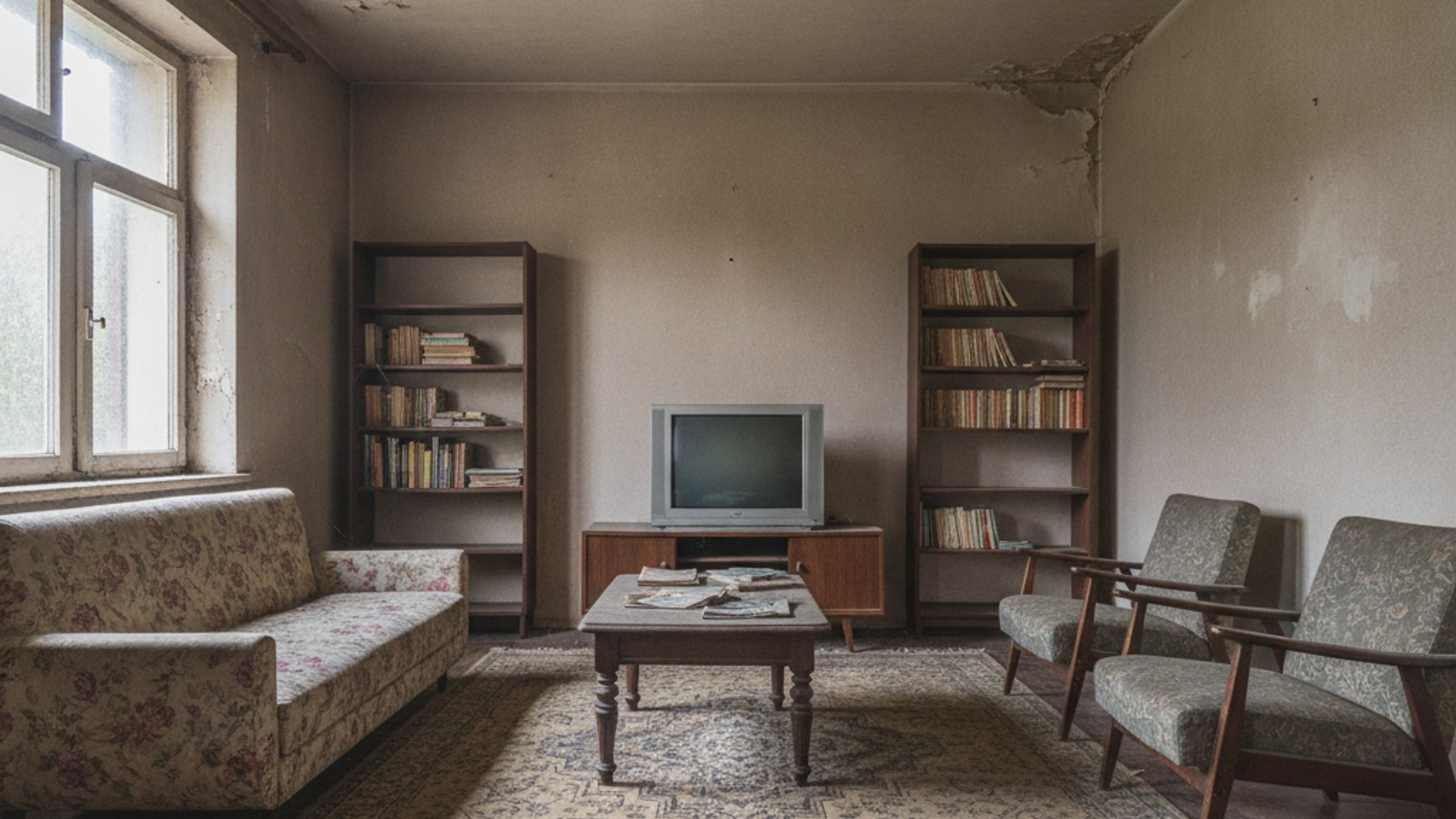
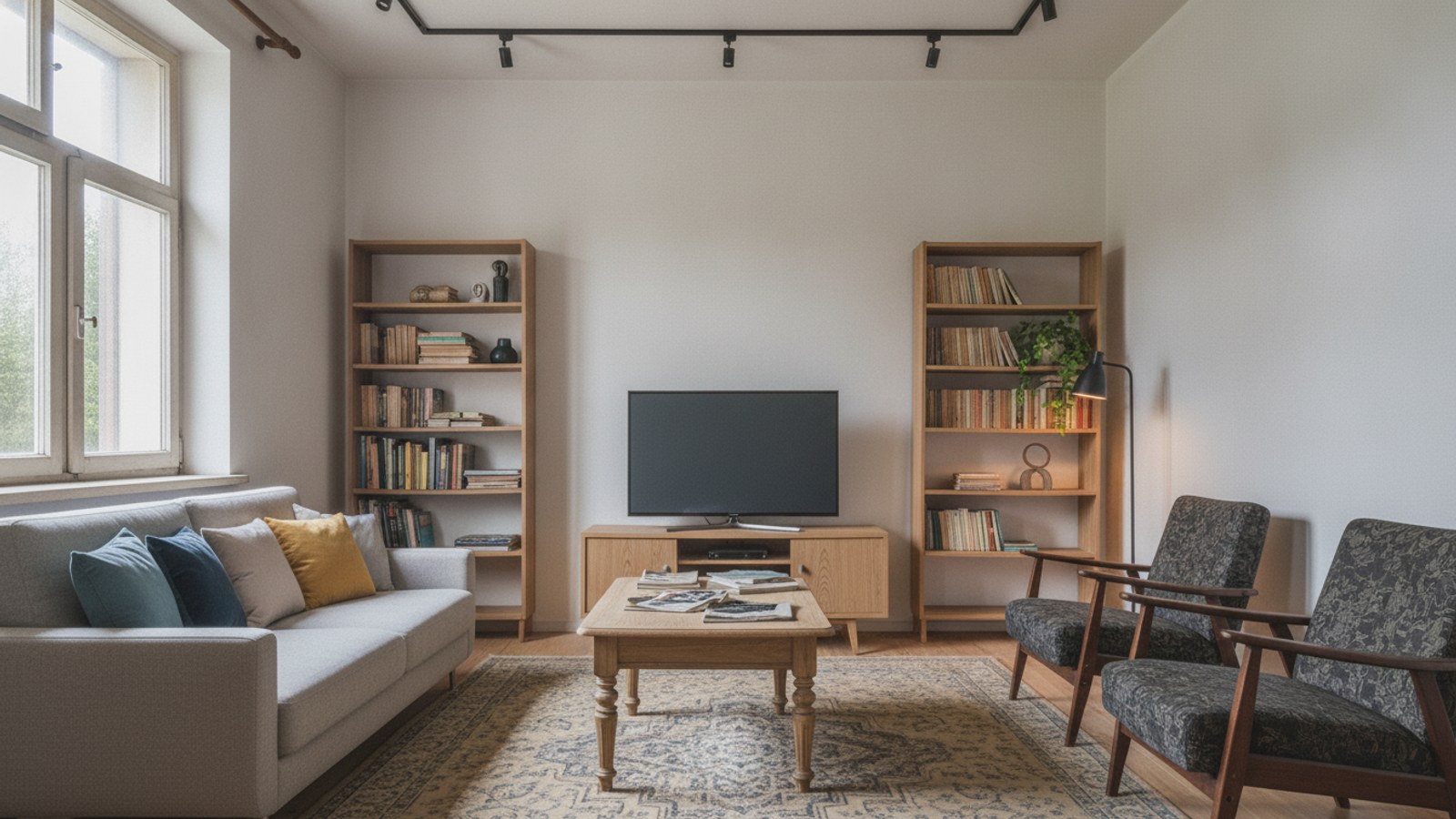
Illustrative example · AI generated images
Concurrently, renovation has gained historical prominence in construction activity. According to the Ministry of Housing and Urban Agenda (MIVAU), the business volume for residential renovation in 2023 amounted to 32,941.49 million euros, representing 48.6% of the total volume of residential building in Spain. Furthermore, in 2024, the execution budget for construction supervision visas linked to renovation reached a historic record, standing at 2,268 million euros. Anyone acquiring an older property today is not only competing against private buyers but also within a sector that channels almost half of its resources into modernising the existing housing stock.
Show the data
| Item | % |
|---|---|
| T3 2024 | 7.9 % |
| T4 2024 | 11.1 % |
| T1 2025 | 12.3 % |
| T2 2025 | 12.8 % |
| T3 2025 | 13.4 % |
| T4 2025 | 13.1 % |
| T1 2026 | 13.5 % |
| T2 2026 | 12.9 % |
Source: INE · Índice de Precios de Vivienda
Legal Requirements for 10% VAT on Renovation Work
One of the determining factors in the profitability of a comprehensive intervention is the tax rate applicable to the execution of works. The difference between being taxed at the general rate of 21% or the reduced rate of 10% represents a difference of 1,100 euros for every 10,000 euros invoiced. However, not all works can automatically qualify for the reduced rate.
In accordance with Law 37/1992 on Value Added Tax and the guidelines of the Tax Agency (AEAT), for renovation or repair work to be taxed at 10%, three conditions must be met simultaneously:
- Private Recipient: The promoter of the work must be a private individual who intends the property for their personal use, or a homeowners' association for works on common elements.
- Minimum Age of the Building: At least two years must have passed since the construction of the property or since a previous comprehensive renovation before the start of the current works.
- Material Limit: The cost of materials supplied directly by the contractor carrying out the work cannot exceed 40% of the total amount of the taxable base. If the materials exceed this percentage (for example, high-end carpentry, sanitaryware, or flooring that exceeds 40%), the entire invoice must be issued at the ordinary rate of 21%.
Practical Example: Property to Renovate vs. Already Updated Property
To illustrate the net margin between both alternatives, we present an illustrative example for an 80 m² usable flat in a mid-sized city, taking notary closing prices and standard sector budgets as a reference.
Option A: Purchase of a Property Ready to Move Into
- Purchase Price: 80 m² at 2.100 €/m² = 168.000 €.
- Property Transfer Tax (ITP estimated average at 8%): 13.440 €.
- Notary, Property Registry, and administrative fees: 1.800 €.
- Total Invested: 183.240 €.
- Availability Period: Immediate upon signing at the notary.
Option B: Purchase of a Property for Full Renovation
- Purchase price with obsolescence discount: 80 m² at 1.450 €/m² = 116.000 €.
- ITP (8%): 9.280 €.
- Notary, Registry, and administrative fees: 1.600 €.
- Cost of comprehensive renovation (plumbing, electricity, flooring, bathroom, kitchen, and enclosures): 42.000 € of taxable base.
- Work breakdown: 25.200 € for labour (60%) and 16.800 € for materials (40%), allowing for the application of 10% VAT (4.200 €). Total renovation cost: 46.200 €.
- Cost of municipal licenses (ICIO and urban planning fees, approx. 4% of base): 1.680 €.
- Total disbursed in Option B: 174.760 €.
- Estimated execution period: 4 to 6 months.
In this illustrative scenario, opting for renovation yields a capital saving of 8,480 euros compared to the finished flat, allowing for customisation of finishes and layout. However, this gain requires managing between four and six months of work, potential budget deviations, and indirect accommodation costs while the property is not habitable.
Energy Efficiency Incentives: IRPF Impact
A factor that tips the balance towards renovation is the state deductions in IRPF for energy improvement works linked to the Recovery, Transformation and Resilience Plan (PRTR). According to MIVAU data for the cumulative period 2021-2024, a total of 203,297 properties spread across 4,643 municipalities benefited from one of these tax advantages.
The regulatory framework, extended by Royal Decree-Law 8/2023, establishes three deduction tiers on amounts paid for works intended for a primary residence or rental property:
- 20% Deduction: Maximum annual base of 5,000 € if the overall heating and cooling demand is reduced by at least 7% (verifiable through prior and subsequent energy performance certificates).
- 40% Deduction: Maximum annual base of 7,500 € for reducing non-renewable primary energy consumption by at least 30%, or for achieving a final energy rating of class A or B.
- 60% Deduction: Applicable to interventions in residential buildings as a whole, with a cumulative base of up to 15,000 € per property.
If the intervention in the previous example reduces consumption by 30% and allows for a 40% deduction on the maximum of 7,500 euros, the owner obtains a tax credit of 3,000 euros, increasing the net saving margin of the operation to 11,480 euros.
Critical Checks Before Making an Offer on a Property to Renovate
The financial margin can disappear completely if hidden defects or legal limitations are overlooked. Before signing a deposit contract (arras) or transferring a down payment, it is essential to verify three aspects:
- Updated Land Registry extract (nota simple): This allows verification of actual ownership, exact registered surface area, and whether there are any mortgage charges, liens, or easements that could block the operation.
- Structure and Load-Bearing Walls: Properties built before 1980 often have compartmentalised layouts where it is not always feasible to create open-plan spaces without reinforcing structural supports, which significantly increases the material execution budget.
- Certificate of occupancy and Building Inspections: Review the minutes of the homeowners' association from the last year to rule out pending capital calls for ITE (Technical Building Inspection) or IEE (Building Assessment Report) on the facade, roof, or downpipes. It is advisable to cross-reference the project with a technical architect before formalising the purchase agreement.
Frequently asked questions
Yes, provided that the contractor invoices a private individual acting in a personal capacity, the property is more than two years old, and the materials do not exceed 40% of the total taxable base cost. If the renovation is commissioned by a commercial company, it must be taxed at 21%.