

The renovation sector in Spain is experiencing a period of significant dynamism. With a housing stock demanding updates and the growing need to improve energy efficiency, more and more homeowners are considering transforming their properties. This boom, far from being a passing fad, is supported by important regulatory changes, grant schemes, and tax benefits that make 2026 a key year for refurbishment.
The Renovation Boom in Spain: Why Now?
Properties in Spain are ageing. A large proportion of our residential property stock is over 20 and even 40 years old, resulting in buildings that need an overhaul, both aesthetically and functionally. The scarcity of new builds and the rising cost of recently constructed properties also push many to opt for renovating to adapt their homes to new needs or simply to improve their quality of life.
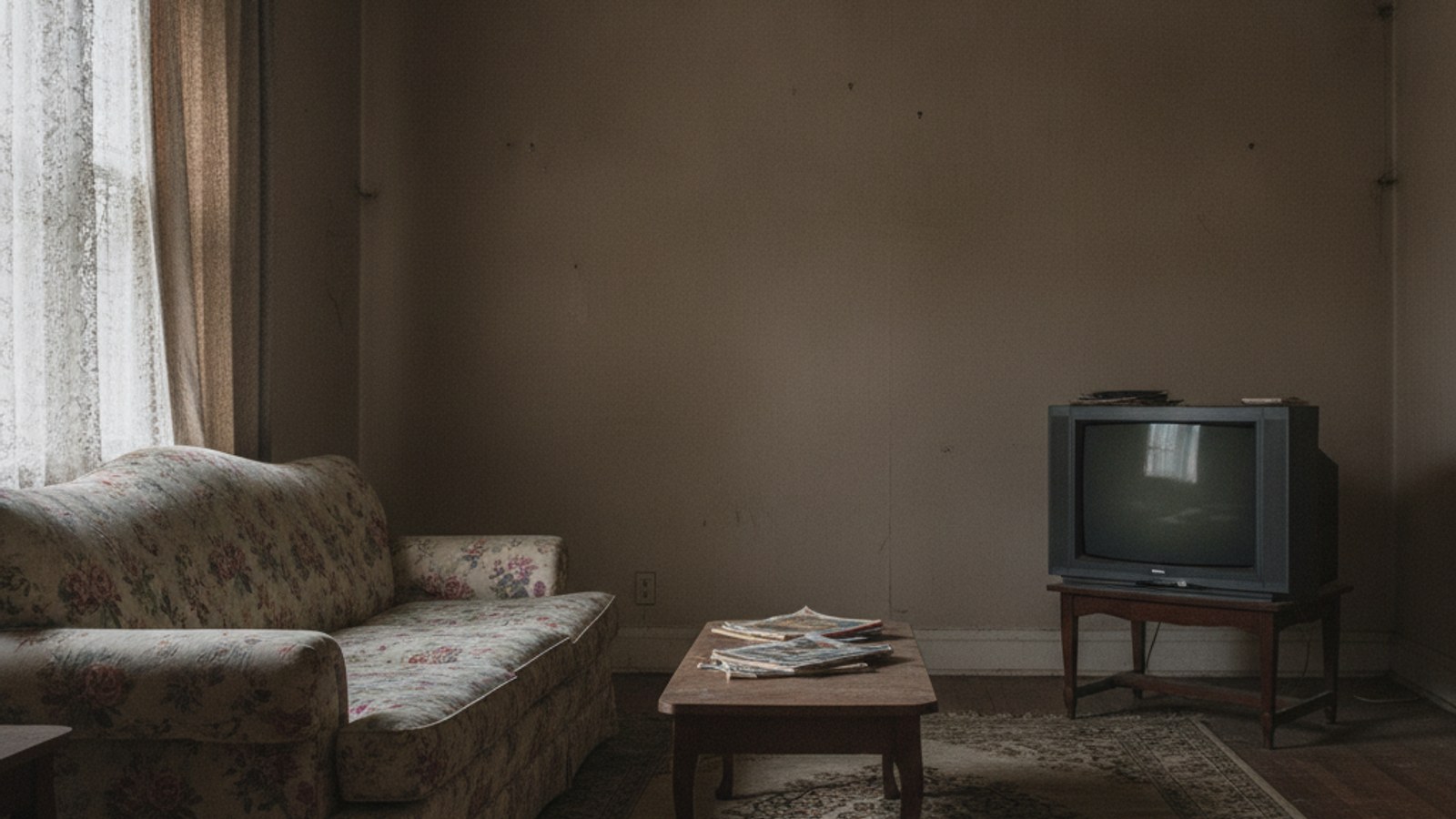

Illustrative example · AI-generated images
In 2025, a significant number of property interventions were recorded, an upward trend that has consolidated in early 2026. This growth is largely due to increased awareness of the importance of energy efficiency and public incentives to achieve it.
The New European Roadmap: Mandatory Energy Efficiency
The European Union has set a clear path towards the decarbonisation of the residential sector. A recent directive establishes that properties for sale or rent in Spain must achieve a minimum energy rating of 'E' by 2030 and 'D' by 2033. This regulation focuses on refurbishment, especially in older buildings with poorer ratings, which make up the majority of our housing stock. Preparing now means anticipating the future and increasing your property's value.
Grants and Subsidies for Your Renovation: Take Advantage of the Funds!
Institutional support for refurbishment has never been so robust. The State Housing Plan 2026-2030, through Royal Decree 326/2026, will allocate billions of euros to building refurbishment, accessibility, and urban and rural renewal. This is complemented by the European Next Generation EU funds, which have channelled a considerable amount for the energy renovation of residential buildings.
Several grant schemes are active in 2026, especially for:
- Energy efficiency improvements: Subsidies can reach very significant amounts per property, depending on the percentage of energy consumption reduction achieved.
- Accessibility improvements: Grants aimed at adapting properties for people with reduced mobility.
- Structural renovations: Support for interventions that guarantee the safety and stability of the property.
- Empty properties for social/affordable rent: Specific incentives for the refurbishment of properties that have been empty for more than two years and are intended for affordable rent.
Tax Benefits: Save on VAT and IRPF
In addition to direct subsidies, renovating your property can lead to considerable tax savings:
- Reduced VAT at 10%: Many renovations of private properties that are more than two years old can benefit from reduced VAT, provided that the cost of materials supplied by the contractor does not exceed a percentage of the total invoice.
- IRPF Deductions: There are significant tax deductions in Personal Income Tax (IRPF) for renovations that improve energy efficiency. To access them, it is necessary to achieve a minimum reduction in heating and cooling demand or in non-renewable energy consumption, accredited by energy performance certificates before and after the work.
Tax savings can be a determining factor when planning a comprehensive renovation, making the investment even more attractive.
How Much Does it Cost to Renovate in 2026? Budget and Materials
The cost of a comprehensive renovation varies depending on quality, scope of work, and geographical area. In 2026, the average price for a medium-to-high quality comprehensive renovation generally ranges between 1.000 and 1.500 €/m². The average budget for a complete renovation was around 32.000 euros in 2025.
It is important to note that energy prices and some construction materials have seen increases in recent months. Therefore, requesting several detailed quotes and planning in advance is fundamental to controlling costs.
Frequently asked questions
From 2030, properties for sale or rent must meet a minimum energy rating of 'E', and 'D' by 2033, according to the European directive. It is not mandatory for all properties immediately, but it is for those entering the market.
