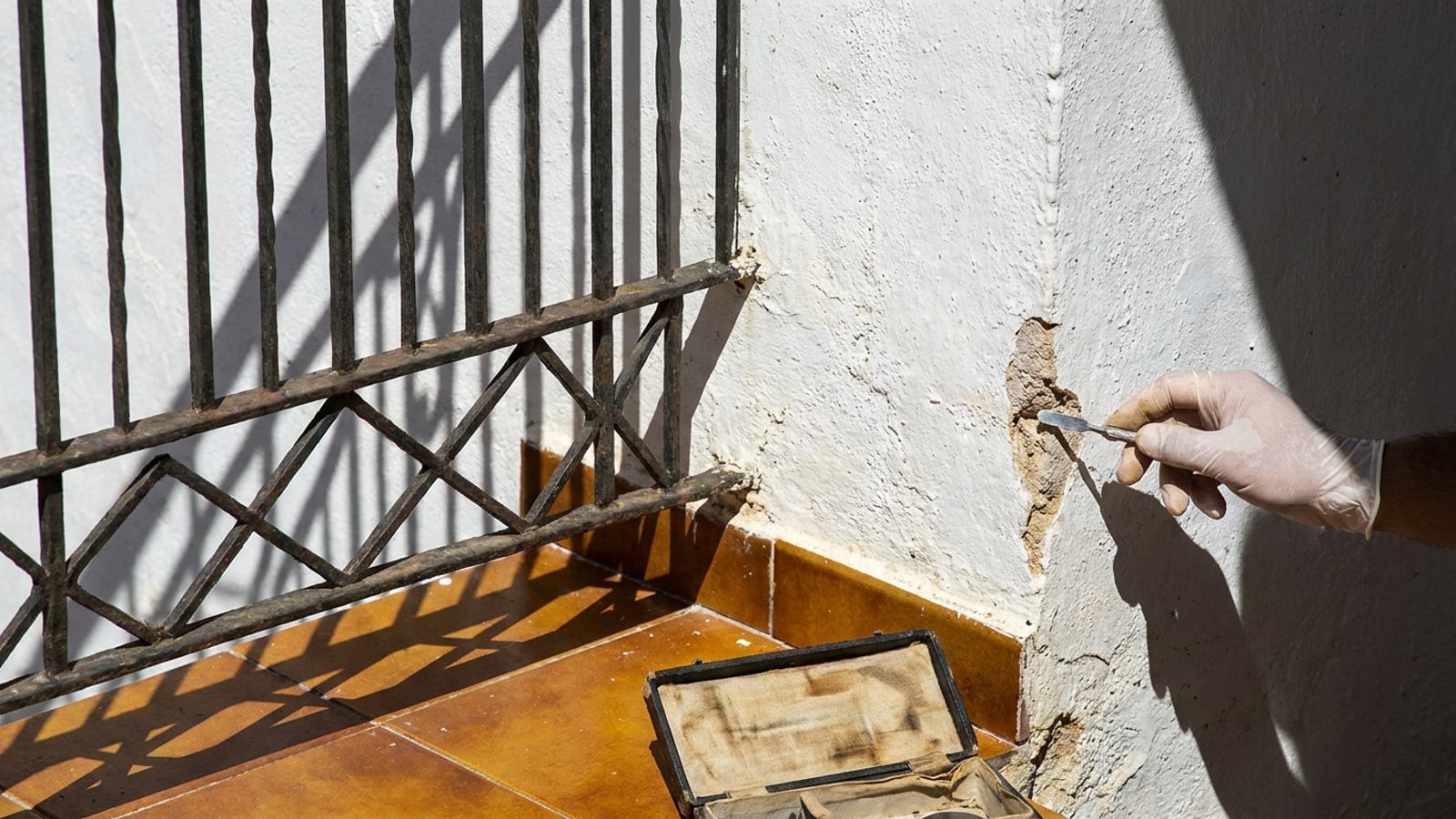
From 3 October, Law 8/2026 of 2 July, on the eradication of asbestos, comes into force in Cataluña, a regulation that introduces a direct obligation for owners: to provide the buyer or tenant with a certificate proving the presence or absence of asbestos-containing materials in the property. If you are preparing a valuable transfer or a lease agreement, this document must be incorporated into the documentation prior to the notarial signing to avoid delays and problems with registry inscription.
What properties and transactions does the new regulation affect?
The notarial criterion establishes that the requirement covers all valuable transfers (such as standard sales) and lease agreements for properties located in Cataluña. The list of properties includes:
- Residential properties and buildings: both flats under horizontal property regimes and single-family homes.
- Commercial premises and industrial warehouses: where the use of fibre cement (the classic Uralita board) or thermal insulation was common for decades.
- Undeveloped land and plots: are expressly included under the notarial interpretation, as they may contain stockpiles, waste, or buried remains of asbestos-containing materials.
At a time of notable market dynamism, in which 10,075 residential property sales were registered in Cataluña in July 2026 alone, according to data from the National Institute of Statistics (INE), this new requirement adds a mandatory documentary layer that must be anticipated from the marketing or deposit contract (arras) reservation phase.
What must the asbestos certificate contain?
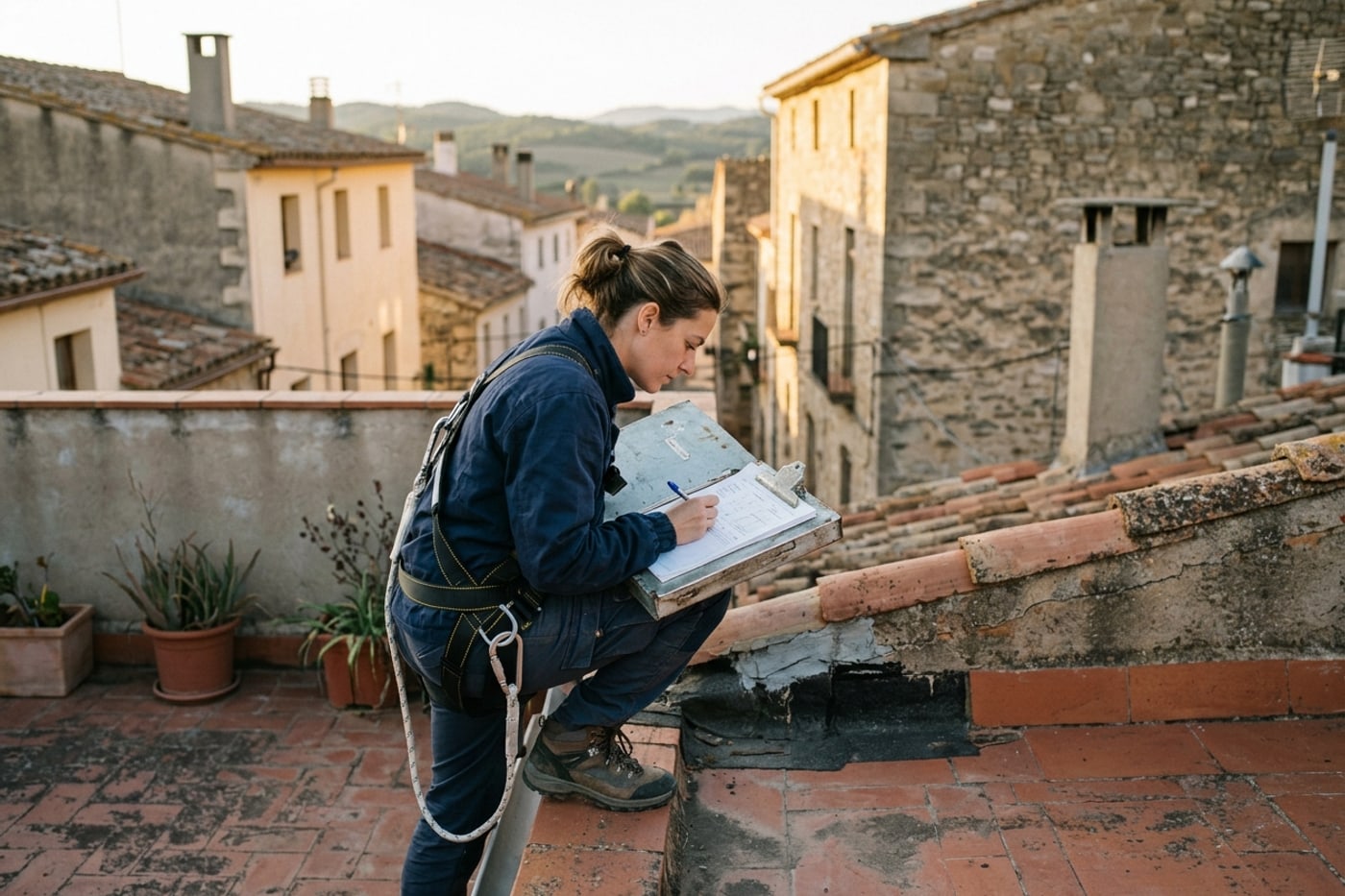
While the regulatory decree specifying the standardised model is being approved, the technical certificate issued must reflect rigorous minimum content to be admitted by the notary:
- Property identification: full address, cadastral reference, and exact scope of the inspection carried out.
- Date of issue and author: identification of the issuing professional or entity along with their technical qualification.
- Inspection result:
- If no visible asbestos is detected: it must expressly state that no presence of asbestos-containing materials has been observed on the date of the visit. It should be emphasised that certifying visible absence does not equate to guaranteeing the non-existence of asbestos hidden behind partition walls or false ceilings.
- If asbestos is detected: it is not enough to merely indicate its existence. The technician must identify the affected elements, their state of preservation, and the potential health risk level for occupants.
Who can issue the document and what is the notary's role?
Pending the definitive regulation, the provisional criterion of the Notary College of Cataluña accepts certificates issued by technicians with appropriate powers and qualifications in building, such as architects, technical architects (quantity surveyors), or engineers. It is advisable to pre-validate the suitability of the chosen professional with the designated notary to avoid last-minute documentary discrepancies.
At the time of formalising the public deed of sale, the notary will attest to the delivery of the certificate to the buyer and incorporate it into the deed's matrix. Furthermore, if the property has received aid or subsidies linked to asbestos removal under Article 26 of Law 8/2026, such supporting documentation must also be provided at the same notarial act.

What happens if asbestos is detected or if the certificate is not presented?
The discovery of asbestos does not invalidate the transaction, but it does have legal and mortgage implications. If the document confirms the presence of asbestos-containing materials, the notarial and registry criterion establishes that this circumstance must be recorded by a marginal note in the Land Registry when registering the sale. When the certificate concludes that there is no visible asbestos, no such specific annotation is generated.
If the document is not provided, the law does not strictly prohibit authorising the deed, but the seller commits an explicit legal breach. This can lead to suspensions in the Land Registrar's qualification or contractual liabilities towards the buyer. Administratively, the omission of delivery is classified as a minor infraction with penalties ranging from 100 to 3,000 euros, within an autonomous plan that seeks priority removal in public buildings within three years and global eradication set by European directives for 2032.
Impact on the real estate market and management recommendations
Used property continues to account for the majority of transactions in Spain: of the 61,417 residential sales registered in July 2026 by the INE, 48,128 corresponded to second-hand properties. In an environment where property prices closed the second quarter of 2026 with a year-on-year increase of 12.2% nationally, rigorous technical due diligence protects both the asset's value and the legal certainty of the parties.
To ensure a smooth transfer, it is advisable to request the certificate as soon as the property goes up for sale or rent, verify that the chartered professional describes the material's state of preservation if detected, and submit the file to the notary with a minimum of five working days' margin before the signing date. For complex transactions or properties with pending reforms, it is advisable to verify the property's specific characteristics with a real estate advisor or chartered technical professional.
Frequently asked questions
Yes. The applicable article of Law 8/2026 and notarial interpretative notes extend the obligation of delivery to both sales and leases of properties in Cataluña.